
Every month, we pick a LEGO photographer active in our community and share some of their work and a little about themselves. This month we flight to Netherlands to meet legoinspire
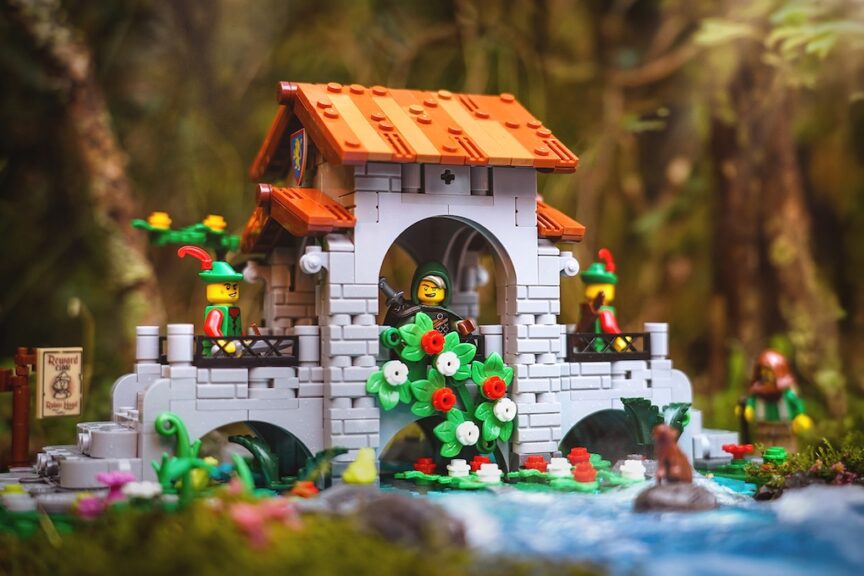
My name is Patrick, and I’m a digital designer from the Netherlands with a passion for photography, design and storytelling. Creativity has always been a big part of my life and LEGO plays a special role in that journey. When I was younger, I spent countless hours building with LEGO, but as I grew older, it slowly faded into the background.
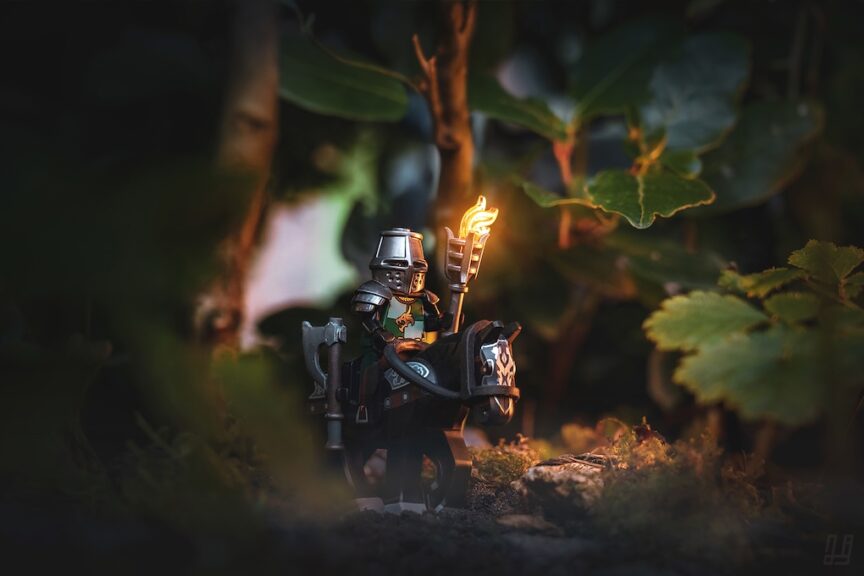
That changed when I started watching LEGO Masters back in 2020. Seeing the creativity and storytelling behind the builds sparked something in me again. It made me realize how much I missed LEGO and how perfectly it could connect with my long-time passions for photography and visual storytelling.
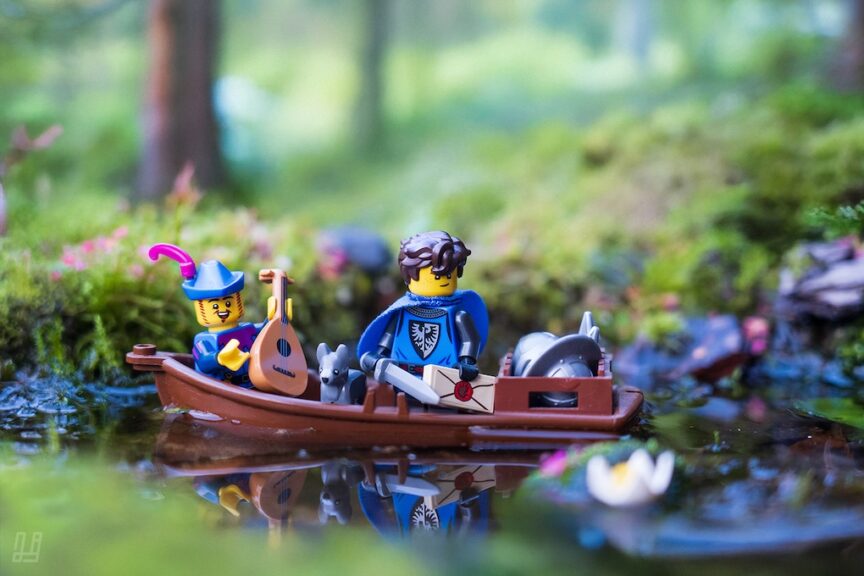
That’s when everything came together. I started combining LEGO with photography, using minifigures and small scenes as a way to tell stories. For me, LEGO photography isn’t just about the bricks. It’s about creating moments that feel emotional, cinematic and alive, even at a miniature scale.
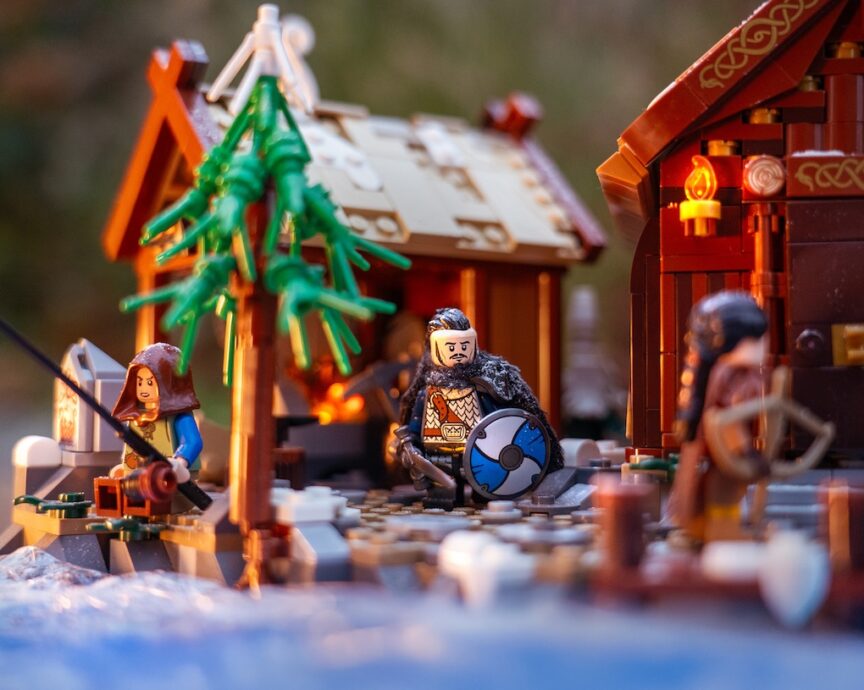
When I first started LEGO photography, I relied heavily on editing. As a digital designer, post-processing is something I really enjoy and it felt like a natural way to shape my images. Nowadays, some editing is still part of my workflow, but I prefer to build real scenes as much as possible. For me, that has become one of the most fun and rewarding aspects of LEGO photography. Actually building the scenes and letting the story come together in front of the camera.
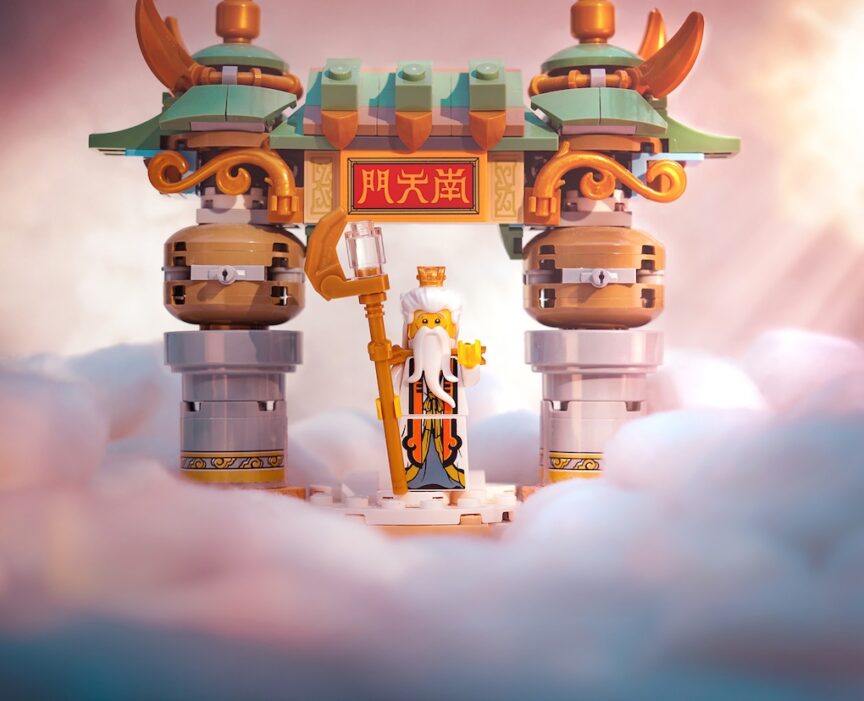
A lot of my inspiration comes from atmosphere, nature, and subtle character-driven storytelling. I love placing LEGO figures into organic environments and using light, depth, and composition to blur the line between the real world and a miniature one.
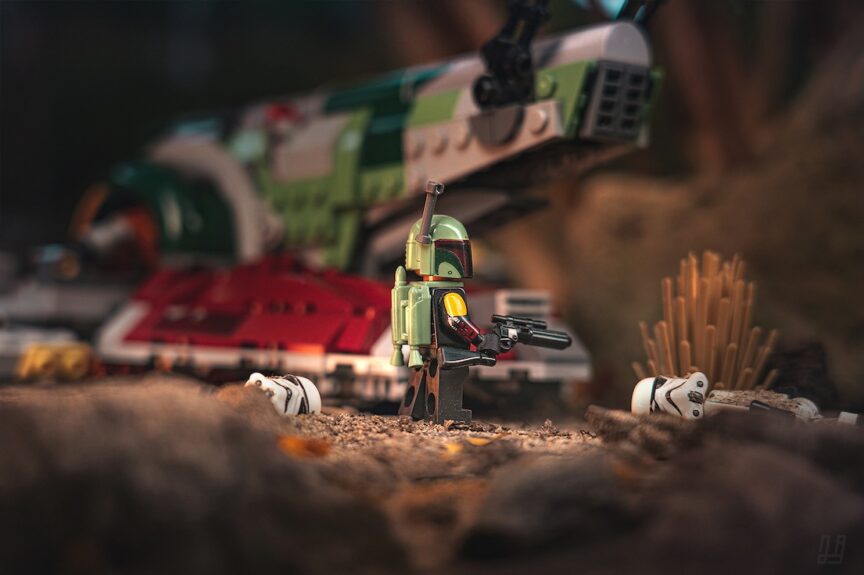
My favorite LEGO themes to work with are Castle, Ninjago, and Star Wars, as they offer endless opportunities for dramatic scenes, strong (custom) characters, and rich storytelling. Whether it’s a quiet moment or a sense of adventure, I always try to leave space for the viewer’s imagination.
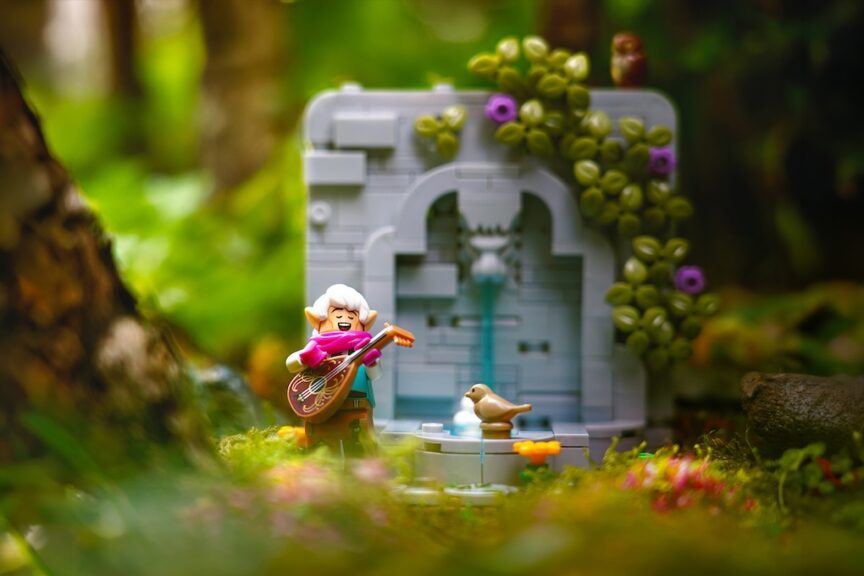
My style is strongly focused on mood and emotion. I often work outdoors with natural light and shallow depth of field, carefully framing each scene to guide the eye and highlight small, meaningful details. I shoot with a Sony A7 III paired with a 24–105mm lens, which gives me the flexibility to capture both wider scenes and more intimate character moments. A true macro lens is definitely still on my wishlist, as I would love to dive even deeper into the tiny details that make LEGO photography so special.
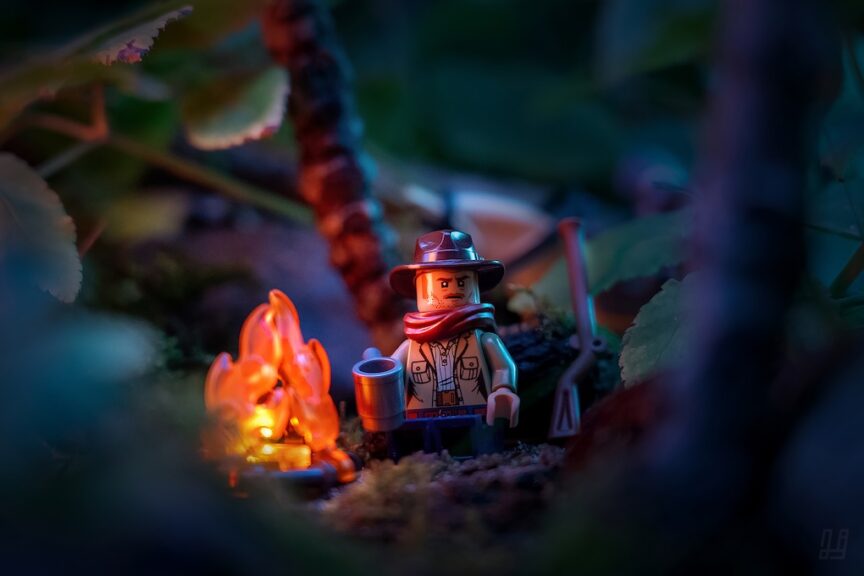
Exclusive photo content
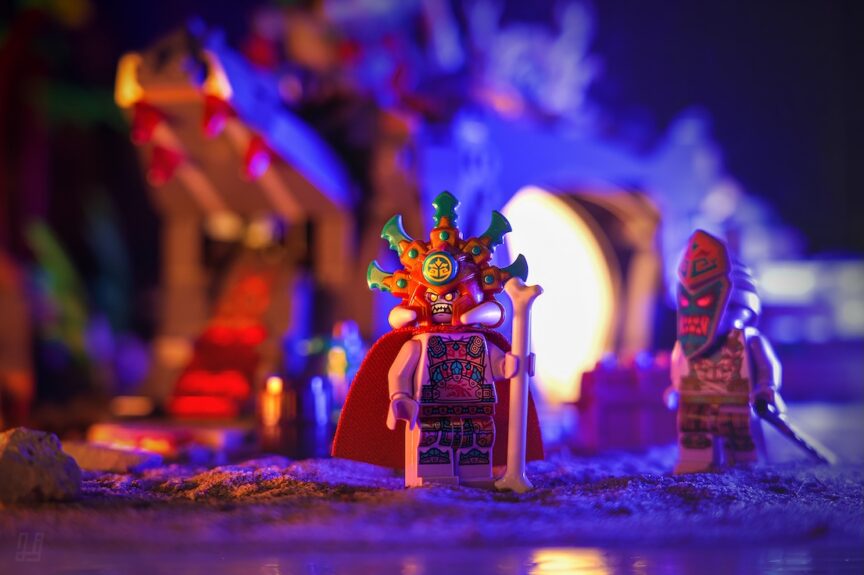
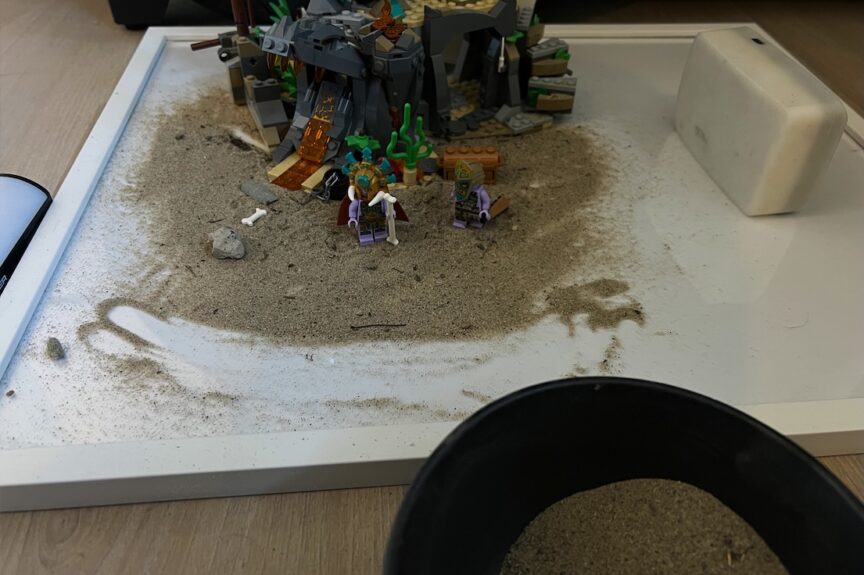
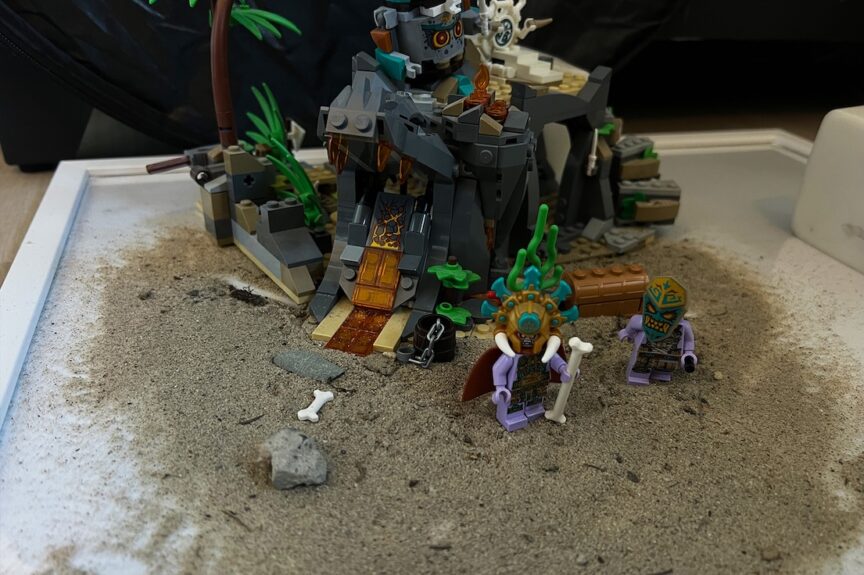
For my exclusive photo I worked with a Ninjago set and used Chief Mammatus as the main character. I built this scene indoors. Although I usually shoot outside, I also enjoy working with staged lighting when I want full control over the atmosphere.
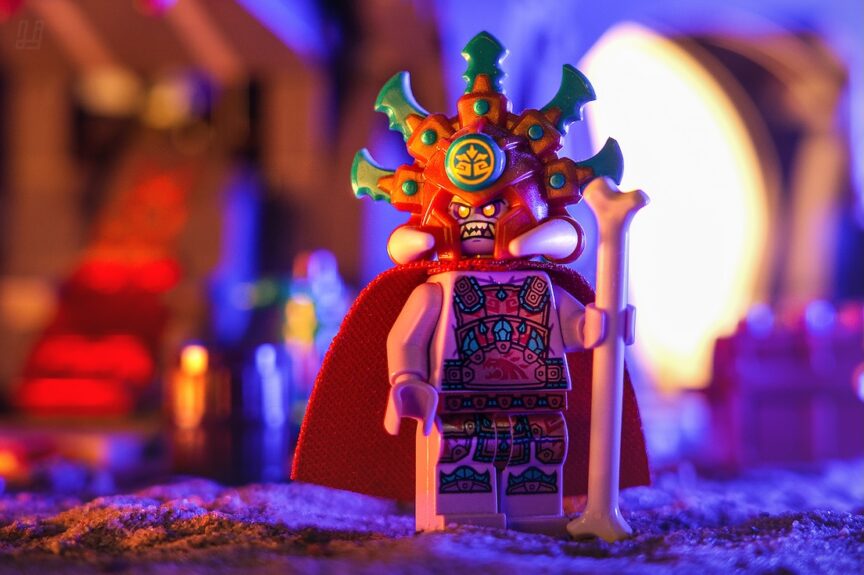
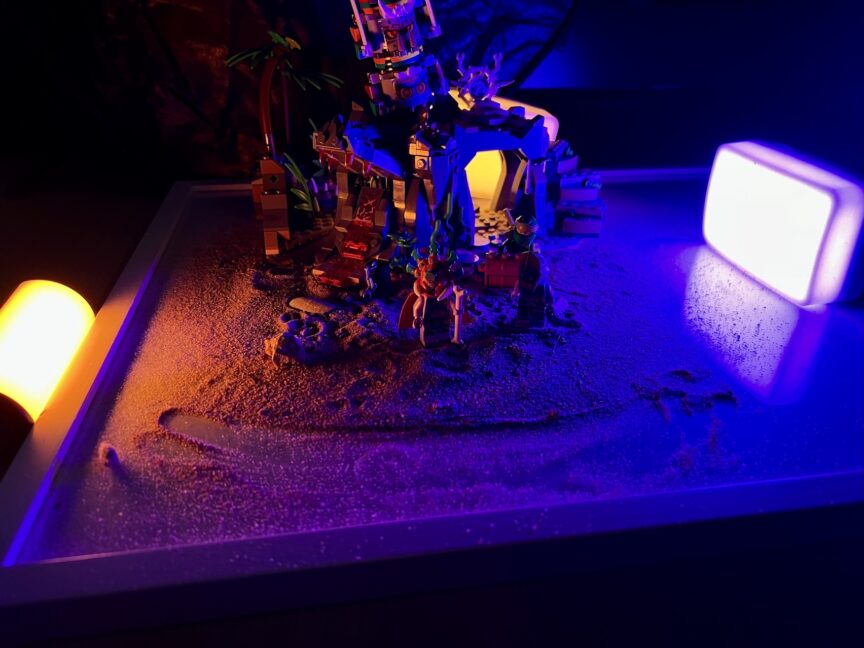
For this beach scene, I used a print frame as the base, which is ideal to keep the sand in place. The reflective surface of the frame helped create a subtle water effect next to the sand, giving the shoreline a realistic look. I used three lights to shape the scene. One light was placed behind the cave to highlight the entrance and suggest there was light inside. A second light from the left emphasized the lava from the dragon’s mouth and illuminated the character. The blue light on the right created the night atmosphere.
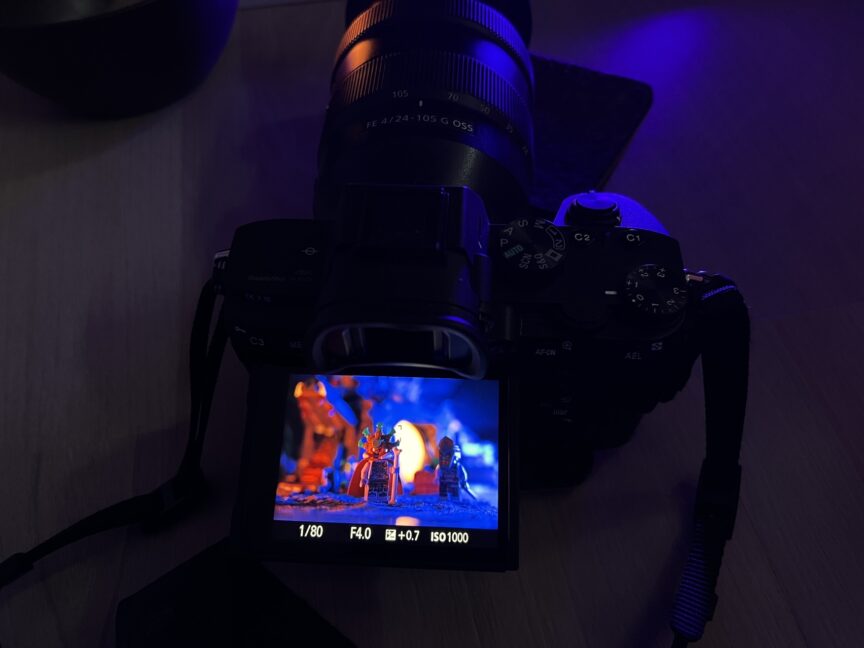
One of the biggest challenges for me is lighting the character itself. LEGO faces are highly reflective, which can easily create unwanted hotspots on the head. While this can be corrected in editing software, I always challenge myself to get the best possible result straight out of the camera.
I would like to thank BrickCentral for the opportunity to share my story and some of my work. I’m grateful to be featured and to be part of such a creative community.